
 My earliest memories of the Killaloe Community Craft Fair are from the olden days when hair was pinned in middle partings, fell straight or glinted from the frizzy bare chests of skinny men.
Also I’m pretty sure the sun was always glowing through long cheese cloth skirts as women swung their sun-baked, naked toddlers through the meadows.
On Fair days, we would all pile into the back of a low, wide car and bounce across the uneven fields with the back hatch wide open. We swung our legs in dusty high flares showing off our dirty ankles and bare feet. Our hair was never brushed and all T-shirts had banded arms. Back then we thought brown and orange was a fine colour combination and my favourite shirt was a ribbed mustard yellow turtleneck.
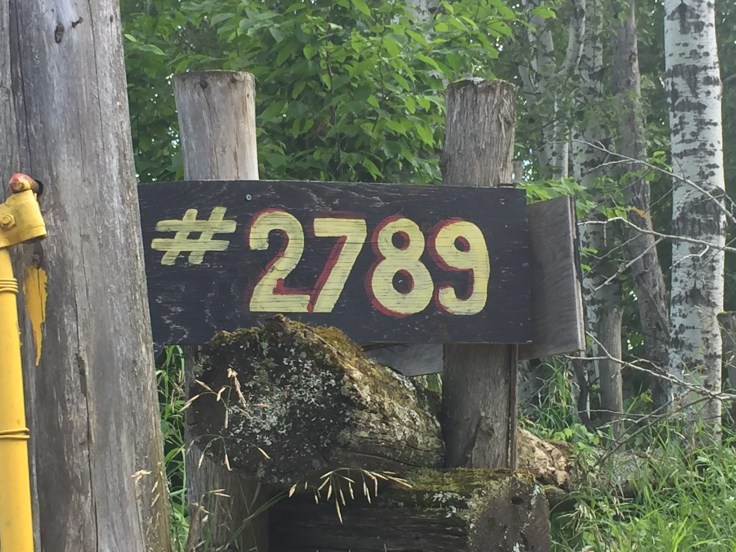
Hand painted signs leaned against gates and vendors’ trestle tables held scarves – so many scarves – and long earrings and possibly the first sighting of lentils in the Ottawa Valley at the food tent.
If I recall correctly, the stage was a platform built from plywood a few inches off the ground. We danced on the grass to live music and watched amateur puppet shows with adults who rejected the pomp of real grown ups like teachers and crossing guards and Darren from Bewitched.
These cool adults could show remarkable enthusiasm for simple games. They would play with us for hours and hours. But they could just as easily be distant, soft eyed and unreachable.
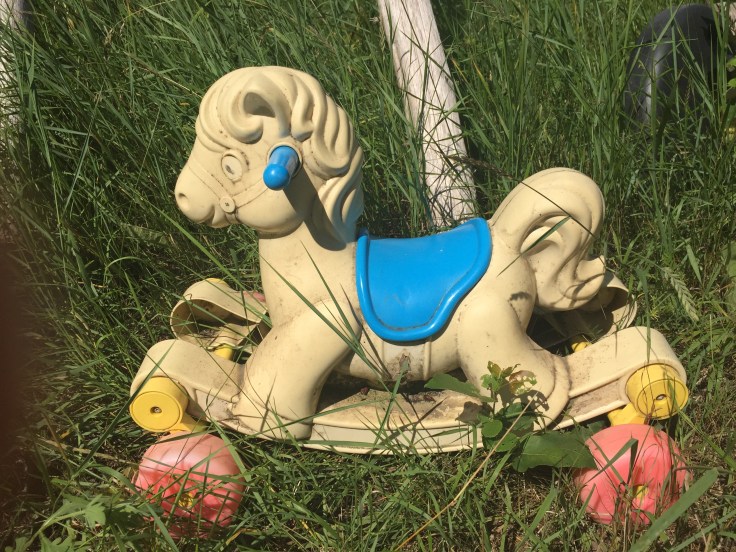
I have a jumbled collection of recollections back when the Fair was on Fern and Mary’s farm. Was it that year when I pitched face first off the pony ride and narrowly missed a rocky outcrop?
Or when I was with my baby sister in the car and it rolled down a few different hills before coming to a rest. Acting well after the fact, I crawled into the front seat and pulled on the old Citroen’s emergency brake. I fancied myself a bit of a capable Paper Moon-era Tatum O’Neal.
The Fair was started in 1976 by city-fleeing hippies. The “hippy” label doesn’t really do the movement justice and they were real individuals. Some were back-to-the-landers, some witty and acerbic intellectuals, some were fleeing the iron-fisted religion of their parents, others rejected the patriarchal system, and of course there was a smattering of draft-dodgers and deserters for authenticity.
These newcomers weren’t necessarily welcomed by Valley locals en masse. Each town had a diluted old world ethnic flavour like Germany for Eganville or Poland for Barry’s Bay.
For some reason, the the loosely Irish Killaloe had a little more tolerance for this latest influx to the Ottawa Valley. Or at least a willingness to let themselves be entertained by the sight of white collar graduates trying to build chicken coops, plant crops in rocky fields or try to light green wood on fire.
Late one summer, my mum, step-dad and baby sister drove that Citroen onto a Russian boat on the St Laurence River bound for England – floating away from my dad, the Valley and the summer fireflies.
I include missing the Killaloe Fair to my list of disappointments about 1978 London – along with the lack of fog or Kraft Dinner or Halloween.
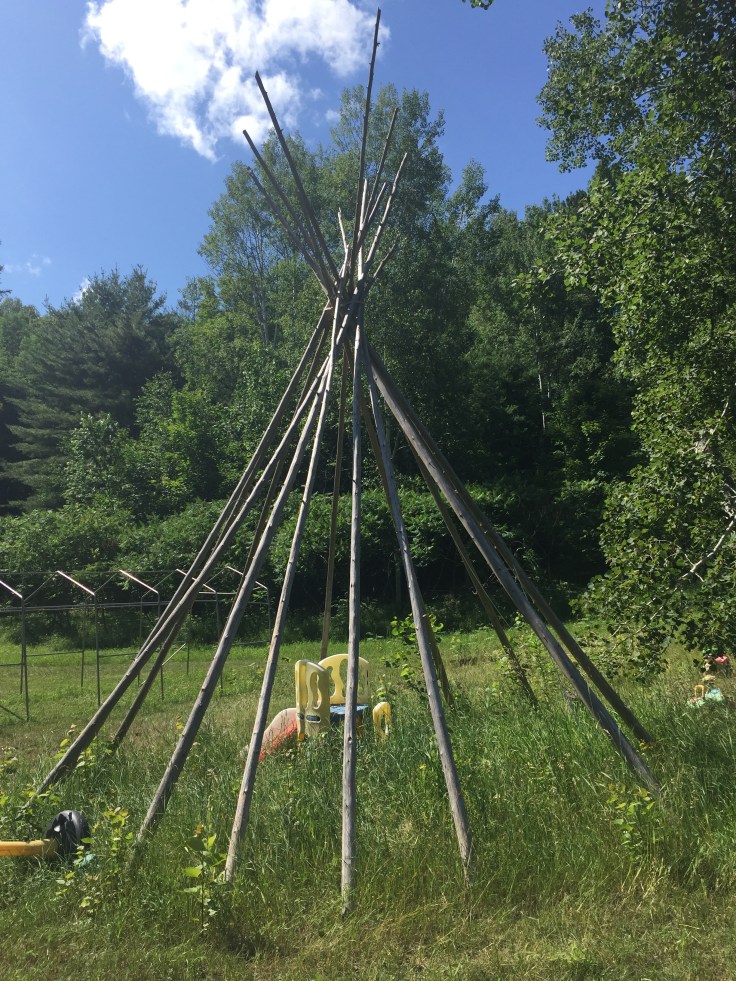
Meanwhile the Fair grew from its chicken wire start to a huge three-day festival with a giant stage and pyramid bar and sound booth on a new site. By the time I was 14, I acknowledged that I was definitely missing out. I spent my entire visit over the Christmas holidays listening to stories about the Fair. Apparently it was rad.
I switched my winter holidays to summer so I could sit on a hillside field in small-town Ontario – at at time when, back in London, the Pet Shop Boys were in the charts, Freddy Mercury was performing at Live Aid and Boris Becker presided at Wimbledon.
The Fair was where it was at.
I lost track of it while living in Northern Ireland and B.C. and I’m not sure when the weight of itself caused it to collapse. But a series of events led to it’s demise. It could have been a fire, or financial irregularities or just the weight of responsibility … but the land lay silent 52 weeks a year instead of 51.
No more camping in the tall white pines, or falling down the steep slope of the natural amphitheatre, looking for familiar blankets or faces in the dark. No more drumming and dancing and parades of jesters. No more groups of teenagers trying to avoid their parents without realizing the dodging was mutual.
The field laid fallow until the determined offspring of the first influx stripped away the ballooned over-budget monstrosity back to basics.
We all had a soft spot for it but I don’t think it occurred to the first generation of hippy kids to revive it. We were too busy trying to pass for normal in society.
But our younger siblings and kids stepped up. They are the ones that are moving back from the cities to shore up the spirit and keep the community alive.
I have just returned from the Fair site where I spent the weekend helping clear some brush and mow. The scaled-back version on August 12 will just be one day this year. We have lost so many of those engaged, cool adults over the years. But some will still be dancing with their grandchildren.
This weekend I watched a small child sit on the tailgate of a minivan with the hatch wide open as it bounced over the bumpy field … and I know the spirit lives on.









 oonawoods